Care Home Fees

Care Home Fees Explained: What You Are Really Paying For

Care Home Fees Explained: What You Are Really Paying For

Care home fees are one of the most confusing parts of choosing a home. Two homes can quote very different weekly prices, and the cheaper one is not always cheaper once you add everything up.

This guide is here to help you compare properly. It is general information, and funding rules can change, so always check current guidance with your local council or an independent adviser.

Start with what the headline fee covers

A weekly fee usually covers a room, meals, and personal care. After that, homes vary a great deal. Before you compare anything, ask each home for a written list of what is included in the weekly fee and what is not.

The extras that catch families out

Many families are surprised by what sits outside the base fee. Common examples include:

Hairdressing and chiropody. Often charged per visit.

Physiotherapy and therapies. Sometimes billed separately.

Activities and outings. Entertainment, trips and transport to appointments may all cost extra.

Guest meals and drinks. Some homes charge families for a cup of tea or a meal when they visit.

Administration and joining fees. Some homes charge an administration fee of up to £800 and a joining fee of up to £5,000 on top of the weekly cost.

None of these is unreasonable on its own. The issue is that they add up, and they are rarely obvious when you first compare prices.

How all inclusive works

At Shipston Lodge, one weekly fee covers the things most homes charge for separately. That includes nursing or residential care, meals, snacks and drinks, hairdressing, chiropody, physiotherapy, entertainment, outings and private transport to appointments. We do not charge administration or joining fees. Our new in house private dentist is part of that too.

For families, the big benefit is clarity. You know what you are paying, and you are not adding up a second bill at the end of every month. If something ever falls outside the fee, we will tell you before any decision is made.

Fees and changing needs

Another question worth asking is what happens to the fee if care needs increase. In some homes, a move from residential to nursing care, or a need for extra one to one support, brings a higher charge. Ask each home to explain this in writing. It protects you from an unwelcome surprise later.

Paying for care: the general picture

How care is paid for depends on your circumstances. In broad terms:

Self funding. Some people pay for care from their own savings, income or property.

Local authority support. Councils can help towards costs after a needs and financial assessment, and the rules are means tested.

NHS funding. Some people qualify for NHS Continuing Healthcare, and people in nursing homes may receive an NHS contribution towards nursing care.

Because these rules are detailed and can change, it is worth speaking to your local council, your GP or an independent financial adviser who specialises in care funding before you commit to anything.

Questions to ask every home

Whatever homes you are comparing, put these to each one:

What exactly does the weekly fee include?

What costs extra, and how much?

Are there administration or joining fees?

How often do fees rise, and with how much notice?

What happens to the fee if needs change?

Get the answers in writing. A confident home will be happy to give them.

Our promise

We believe talking openly about money is part of respecting a family. If you would like to understand what our weekly fee covers, or how it compares with other homes you are looking at, we will walk you through it honestly and without pressure.

To discuss fees or arrange a visit, call us on 01608 698836 or get in touch through our contact page.

About the Author

The Shipston Lodge Care Team shares practical guidance, thoughtful insights, and helpful information for families considering residential, respite, and later-life care. Our articles are written with care, compassion, and a clear understanding of the questions families often have when choosing the right care home.


Living with Parkinsons

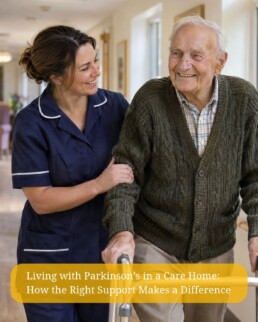
Living with Parkinson’s in a Care Home: How the Right Support Makes a Difference

Living with Parkinson’s in a Care Home: How the Right Support Makes a Difference

Parkinson’s is often described as a condition of tremors. Anyone who has cared for someone with it knows that is only a small part of the picture.

It affects movement, but also sleep, mood, digestion, speech, swallowing and thinking. It changes from day to day, sometimes from hour to hour. And it demands a level of detail that is exhausting to manage alone.

Here is what good support looks like in a care home setting, and why it matters so much.

Timing is everything

For many people with Parkinson’s, medication timing is the single biggest factor in how their day goes. A dose given even thirty minutes late can mean stiffness, slowness and difficulty moving. A dose given on time can mean the difference between a good morning and a frightening one.

That is why a care setting with registered nurses on site matters. Our nurses manage medication carefully and watch for the changes that tell us a regime needs reviewing. If someone is having more difficult periods than usual, we notice and we raise it with their GP or specialist team quickly, rather than waiting for the next appointment.

Moving safely and confidently

Parkinson’s can affect balance, walking and the ability to get started or change direction. Falls are a real risk, and the fear of falling can make people stop moving, which makes things worse.

Good support here is about balance. We want residents to stay as active as they safely can. That means physiotherapy, gentle exercise, the right seating and furniture heights, and staff who know when to step in and when to step back. Physiotherapy is included in our weekly fee, so families never have to weigh up the cost of keeping someone mobile.

Eating and drinking well

Swallowing can become harder with Parkinson’s, and eating can take longer and take more effort. Weight loss and dehydration are common concerns.

Our kitchen and care teams work together to make sure meals are suitable, appetising and served at the right pace. Nobody should be rushed. If someone needs softer food or a different texture, we adapt without fuss and without making them feel different. Where there are swallowing concerns, we involve the right specialists.

Looking after the mind as well as the body

Low mood and anxiety are very common in Parkinson’s, and they are often overlooked because attention goes to the physical symptoms. Some people also experience changes in memory and thinking as the condition progresses.

We pay close attention to how residents are feeling, not just how they are moving. Company, meaningful activity, and a familiar team who notice when someone is not quite themselves, all make a real difference.

Keeping dignity at the centre

Parkinson’s can make everyday tasks slow and frustrating. Buttoning a shirt, holding a cup, signing a name. The temptation, for carers and families alike, is to take over.

Our approach is to help only as much as needed. Someone who can manage a task slowly should be given the time and the choice to do so. That sense of independence matters enormously.

Support for families too

Many families come to us already exhausted from managing the detail of Parkinson’s at home. The tablet timings, the night time worries, the constant watchfulness. Part of what we do is carry that weight so they can go back to being a husband, wife, daughter or son again.

We also welcome guidance from specialist teams and charities such as Parkinson’s UK, and we are happy to work alongside the professionals who already know your loved one.

Asking the right questions

If you are looking at care homes for someone with Parkinson’s, ask how they manage medication timing, whether registered nurses are on site every day, how they support mobility, and how they would respond if symptoms changed. The answers will tell you a great deal.

To talk about your loved one’s needs, call us on 01608 698836 or arrange a visit through our contact page.

About the Author

The Shipston Lodge Care Team shares practical guidance, thoughtful insights, and helpful information for families considering residential, respite, and later-life care. Our articles are written with care, compassion, and a clear understanding of the questions families often have when choosing the right care home.


Shipston Lodge Xmas

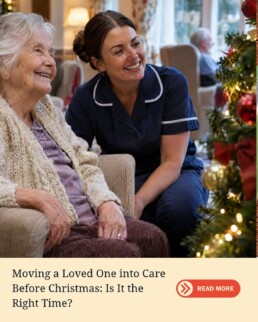
Moving a Loved One into Care Before Christmas: Is It the Right Time?

Moving a Loved One into Care Before Christmas: Is It the Right Time?

Every year, as the nights draw in, we hear from families asking the same thing. Should we move mum in before Christmas, or wait until the new year?

There is no single right answer. But there are some honest things worth thinking about before you decide.

Why this time of year brings the question up

Christmas has a way of showing us what the rest of the year hides. Families gather and notice changes. A daughter who has not visited since the summer sees how much weaker her father has become. A son realises his mother has not been eating properly. Or the person doing most of the caring simply runs out of energy as the festive pressure builds.

If that is what has brought you here, please do not feel guilty. Noticing is not failing. It is often the first step towards getting better support.

The case for moving in before Christmas

For some families, waiting makes things harder. If your loved one is unsafe at home, or the main carer is exhausted, another month of struggling can do real damage. Winter also raises the risk of falls, infections and isolation.

There is a gentler side to it too. Moving in before Christmas means your loved one is settled and known by the team by the time the festive season arrives. They are not spending Christmas alone at home, wondering whether anyone will call. They are among people, with company, a warm meal and familiar faces nearby.

The case for waiting

Waiting can also be the right call. If your loved one is relatively safe and well supported, you may prefer to keep Christmas at home as normal and plan the move for January. Some families want one last Christmas in the family house, and that is a perfectly valid choice.

The thing to avoid is letting the date make the decision for you. Timing should follow what your loved one needs, not the calendar.

A trial stay can take the pressure off

If you are torn, a short respite stay is worth considering. It lets your loved one try life at Shipston Lodge without committing to anything permanent. Families get a rest, and everyone learns how things feel in practice. Several of our long term residents first came to us this way.

How we help new residents settle over the festive season

Moving in around Christmas is not as daunting as it sounds. The home is busy and warm, and there is usually plenty going on, which gives new residents natural ways to meet people without pressure.

A few things help whenever someone arrives:

Bring familiar things. Photographs, a favourite blanket, a clock, a few books. Rooms that look like home settle people faster than almost anything else.

Tell us their story. Their routines, what they love, what they dislike, who matters most. The more we know, the better we can care for them as an individual.

Visit, but let them find their feet. Regular visits matter, and so does giving the first few days some space. We will always tell you honestly how they are getting on.

Families are welcome. We would never want anyone to feel they are losing time with a loved one by moving them in. Visiting over the festive period is part of life here.

Costs stay clear

Because our fee is all inclusive, there are no festive surprises. Meals, activities, entertainment and everyday services are covered in the weekly fee, so families are not adding up extras during an already emotional season.

Be kind to yourself

If you are reading this because you are weighing up a move, the most useful thing we can say is this. You do not have to decide today, and you do not have to decide alone. Talk to your loved one, talk to their GP, and come and see us if you would like to.

To talk through your situation, or to arrange a visit, call us on 01608 698836 or get in touch through our contact page.

About the Author

The Shipston Lodge Care Team shares practical guidance, thoughtful insights, and helpful information for families considering residential, respite, and later-life care. Our articles are written with care, compassion, and a clear understanding of the questions families often have when choosing the right care home.


Halloween at Shipston Lodge

Check out our October 2026 Social Media posts

🎬 What an absolutely magical evening in our gorgeous in-house cinema!

We settled in to watch the timeless classic South Pacific and it wasn’t long before the singing started — and honestly, the actions were the best part! 🙌😄

There is something so special about those well-known tunes that just brings everyone to life. The atmosphere was wonderful and the smiles said it all.

Nothing beats a classic. 🌺🎶

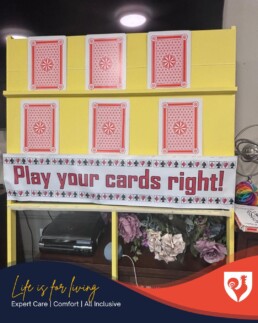
🃏 Higher or lower?! The tension was REAL at Shipston Lodge this week!

Play Your Cards Right made its debut and it was an absolute riot. Sadly we couldn’t quite stretch to a speedboat or a caravan as prizes — but the bragging rights were very much up for grabs! 🏆😂

The laughter in the room was priceless. Sometimes the old ones really are the best ones.

Bruce would have been proud. 👏

Play Your Cards Right
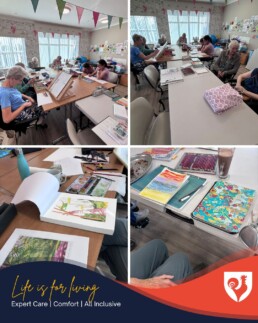
U3A Art Group

🎨 A wonderful morning at Shipston Lodge!

We were delighted to welcome the U3A Art Group to our home this week — it has been an absolute pleasure opening our doors to another fantastic community group and seeing our facilities put to such brilliant use.

Even better? A couple of our residents pulled up a chair and joined in! 🖌️❤️

This is exactly what community is all about — bringing people together, sharing skills, and creating something beautiful in the process. We hope it’s the first of many visits!

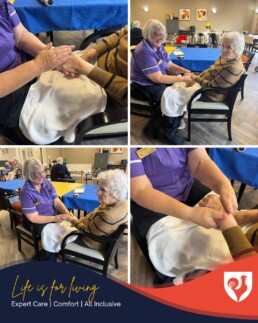
🤲 Pure bliss!

Sometimes the simplest things bring the most joy — and a lovely hand massage is hard to beat! 💆‍♀️✨

A little bit of pampering goes a long way, and our residents absolutely deserve to be treated. Soft hands and big smiles all round! 😊

Hand Massage at Shipston Lodge

❤️ Meet Pauline and her brand new baby doll!

Just look at that smile. It says everything.

Moments like this are exactly why we do what we do. Pauline was absolutely overjoyed with her new arrival and seeing her so happy and content is the greatest reward of all. 🥰

It’s the little things that make the biggest difference — and this is one of those moments that stays with you. 💛

🎵 The power of music never fails to amaze us!

Our wonderfully talented Josephine has recently moved up to our Roseway community — and it didn’t take long at all for her to settle in and make new friends. All it took was music. 🎶❤️

Watching new bonds form and seeing that instant connection is one of the most beautiful things about life here at Shipston Lodge. Josephine, you are an absolute star and Roseway is lucky to have you! 🌟

Here’s to new beginnings and new friendships! 🥰
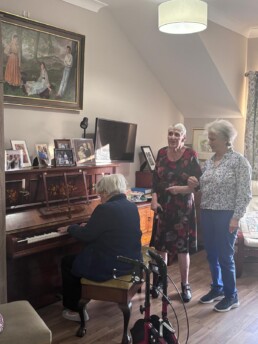
The power of music at Shipston Lodge
Halloween at Shipston Lodge

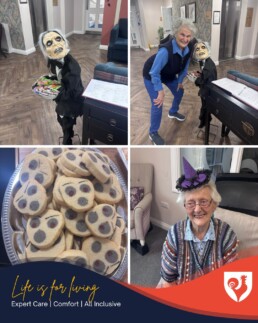
👻 Halloween at Shipston Lodge was all treats and no tricks!

Our residents settled in to watch an Alfred Hitchcock thriller, and it was just the right amount of spooky. 🎬🍿

We also had a very special new addition to the home this weekend. Our new butler Bertie joined in the fun and was an instant hit with everyone. 🎩

Thank you to everyone who helped make it such a great day.