
Check out our July 2026 Social Media posts

 Fab Fun, Music, Movement & Fitness with Yvette!
Another fantastic session with Yvette brought plenty of music, movement, fitness and fun to Shipston Lodge.
Residents thoroughly enjoyed joining in with the exercises, singing along to familiar tunes and sharing lots of laughter throughout the afternoon.

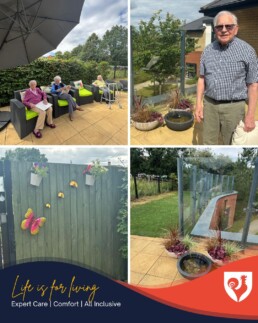
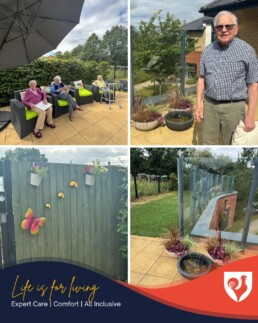
 Sunshine, Fresh Air & Our Beautiful New Terrace!
Our residents in our memory care community have been making the most of the gorgeous sunshine on our newly revamped terrace, and we think it is safe to say they absolutely love it! 
Seeing everyone relaxing, laughing and enjoying the fresh air together in such a lovely space is truly wonderful. There is nothing quite like a bit of sunshine to lift the spirits and bring everyone together. Here is to many more beautiful days ahead! 


 Hats, Happiness & Royal Ascot Fun!
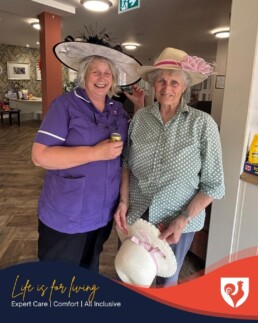
Last week Shipston Lodge got into the Royal Ascot spirit in the most wonderful way! Residents dressed up in their finest hats and enjoyed a brilliant afternoon sweepstake on the races, all just for fun of course!
The excitement, the laughter and the friendly competition made for a truly joyful afternoon. Whether your horse romped home or not, everyone was a winner on the day! A fabulous afternoon all round. 

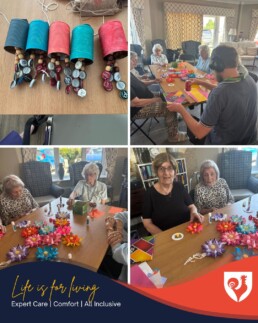
 Flowers, Creativity & a Wonderful Afternoon with Greg!
What a creative afternoon we had at Shipston Lodge! Our talented volunteer Greg spent time with residents teaching them how to make the most beautiful handcrafted flowers, which are now proudly decorating our home.
It was a joy to see everyone absorbed in such a lovely activity, with creativity flowing and smiles all round. A huge thank you to Greg for sharing your time and talent with us. Our home looks even more beautiful thanks to you! 
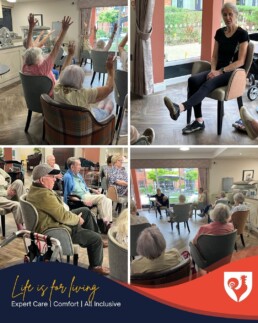

 A Relaxing Seated Yoga Session with Hayley
Our residents enjoyed another wonderful seated yoga session with Hayley, taking time to stretch, strengthen and relax together. These gentle exercises are a fantastic way to support flexibility, mobility and overall wellbeing in a calm and friendly environment.
It’s always lovely to see so many residents getting involved, leaving the session feeling refreshed, energised and ready for the rest of the day. Thank you, Hayley, for another brilliant class! 
 Enjoying the Garden in the Summer Sunshine
With the warmer weather upon us, our residents have been making the most of the garden, relaxing in the cool shade of the umbrellas while enjoying the fresh air and beautiful surroundings.
Whether chatting with friends, watching the garden come to life or simply soaking up the peaceful atmosphere, it’s a lovely way to spend a summer afternoon here at Shipston Lodge.
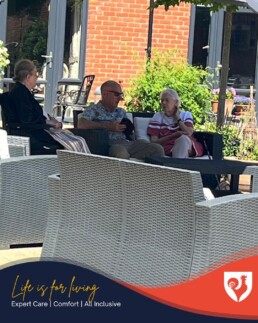
Soaking Up the Sunshine on Our Beautiful New Terrace!
When the temperature is just right, you will find our residents making the most of our newly revamped terrace and loving every minute of it! 
There is something so lovely about sitting outside, enjoying the fresh air and taking in the surroundings together. Our terrace has quickly become one of the most popular spots in the home and it is wonderful to see it getting so much well-deserved use. Here is to many more perfect outdoor moments!
 Home is Where the Heart Is
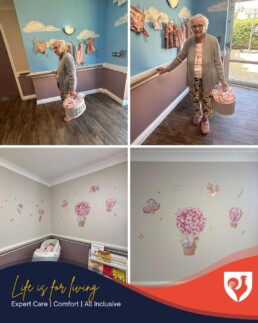
On our memory care floor, our wonderful staff have been busy creating beautiful imagination stations designed to bring comfort, familiarity and a real sense of home to our residents.
Pauline is a particular fan and loves nothing more than hanging out the washing, just as she always has done. Seeing that spark of joy and recognition in her face is exactly why we do what we do. These little moments of everyday life mean the world, and we are so proud of the thoughtful, loving care our team brings to each and every day.

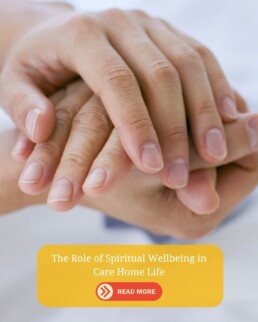
The Role of Spiritual Wellbeing in Care Home Life
Understanding Spiritual Wellbeing in Care Homes
Spiritual wellbeing in care homes is increasingly recognised as a vital dimension of later-life care, shaping how residents experience meaning, comfort, connection, and dignity in what are often the final chapters of their lives. Evidence from gerontology, nursing, palliative care, and long-term care research shows that attention to spiritual needs is associated with higher quality of life, reduced loneliness, better mental health, stronger coping with illness and loss, and even improved physical and service-use outcomes such as shorter hospital stays and reduced mortality (source).
Defining Spiritual Wellbeing
Spiritual wellbeing is a broad and deeply personal concept that extends beyond formal religion to encompass the entire spectrum of what gives a person hope, purpose, and peace. This includes church services and hymns, quiet reflection, time in nature, music, memories, relationships, or cherished beliefs and values (source).
Spiritual Care in Practice
Spiritual care involves recognising and responding to the needs of the human spirit. This includes facilitating religious care from an individual’s own faith leader or community, supporting participation in religious practices and traditions, and creating opportunities for personal reflection, storytelling, relationships, and engagement with nature and creativity (source). Care homes can enhance spiritual care by incorporating activities like art therapy, music sessions, and nature walks that allow residents to connect with their inner selves and the world around them. Moreover, care homes can offer workshops or group discussions that encourage residents to share personal stories and experiences, fostering a deeper sense of community and mutual understanding.
The Importance of Spiritual Wellbeing
For families and individuals considering or living in care homes, understanding the role of spiritual wellbeing is central to evaluating whether a home offers truly holistic, person-centred care. Spiritual wellbeing is not an abstract or marginal concern; it is intimately woven into how residents understand themselves, cope with change, and find reasons to hope and derive satisfaction from daily life. A focus on spiritual wellbeing can transform a care home from a place of mere residence to a nurturing community where residents feel valued and understood (source).
Personalised Spiritual Care
Personalised spiritual care supports emotional comfort and connection. Whether through faith, music, reflection, or simply moments of peace, care should support what brings each resident comfort, meaning, and connection. This approach respects the deeply personal nature of spiritual wellbeing and ensures that care homes nurture the whole person—body, mind, and spirit. By engaging residents in activities that align with their personal beliefs and preferences, care homes can foster a sense of belonging and community, which is crucial for emotional and mental health. Additionally, facilitating regular feedback sessions with residents and their families can help tailor spiritual care to better meet individual needs and preferences, thus enhancing the overall care experience.
Key Takeaways
- Spiritual wellbeing is vital for quality of life in care homes.
- It encompasses more than religion, including music and reflection.
- Personalised spiritual care supports emotional comfort and connection.
- Holistic approaches nurture residents’ body, mind, and spirit.
- Engagement in meaningful activities enhances residents’ sense of belonging.
FAQs
What is spiritual wellbeing in care homes?
Spiritual wellbeing in care homes refers to the dimension of care that addresses residents’ needs for meaning, purpose, and connection, often through religious or spiritual practices.
Why is spiritual wellbeing important in care homes?
It enhances residents’ quality of life, providing comfort, reducing loneliness, and supporting mental health.
How can care homes support spiritual wellbeing?
Care homes can support spiritual wellbeing through personalised care plans that include religious services, music, reflection, and creative activities.
Is spiritual care the same as religious care?
No, spiritual care includes but is not confined to religious care. It also involves non-religious practices that provide emotional comfort and connection.
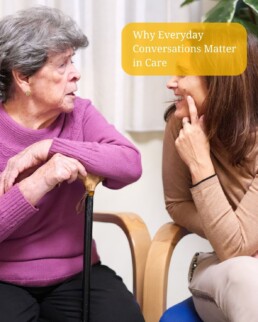
Why Everyday Conversations Matter in Care
The Heart of Care: Everyday Conversations
In the context of care homes, it’s easy to focus on the tangible aspects of care—medication, meals, and physical support. Yet, it’s often the quieter, everyday interactions that truly enrich a resident’s life. These meaningful conversations in care homes—from chats over tea to shared jokes—are not mere niceties but vital components of high-quality care. Such interactions can significantly improve the residents’ emotional wellbeing, fostering a deeper sense of connection and community.
Key Takeaways
- Meaningful conversations are foundational to high-quality care.
- They support emotional wellbeing and reduce loneliness.
- Such interactions are central to person-centred care.
- Conversational engagement fosters a sense of belonging and purpose.
- Overcoming challenges requires supportive organizational conditions.
Defining Meaningful Conversations
Meaningful conversations are more than just verbal exchanges; they are interactions where staff engage with residents as individuals, showing genuine interest and addressing emotional needs. These conversations, whether brief or extended, are characterised by attentiveness and respect, forming the backbone of person-centred care.
Research highlights that such interactions help residents feel known and valued, reducing loneliness and supporting mental health. According to a study, approximately 61% of care home residents experience moderate loneliness, underscoring the importance of these daily interactions.
Moreover, these conversations often reveal personal histories, preferences, and stories that can guide personalized care plans. For instance, knowing a resident’s favorite music or past hobbies can help staff organize activities that resonate with them, further enhancing their quality of life. This approach ensures that care is not just about meeting physical needs but also about nurturing the soul and spirit of the residents.
Building Relationships Through Conversation
At the core of relationship-centred care is the belief that all care occurs within the context of relationships. This approach emphasises recognising each person’s individuality and the reciprocal nature of care relationships. Through meaningful conversations, staff and residents acknowledge each other’s personhood, share emotions, and influence each other’s wellbeing.
Programs like the My Home Life England initiative promote these principles, advocating for a care environment where residents, families, and staff experience a sense of security, belonging, and purpose through conversational engagement. Such programs often include training for staff to enhance their communication skills, ensuring they can effectively engage with residents on a personal level. These skills are crucial in creating a nurturing environment where everyone feels valued and understood.
Challenges and Opportunities
While the benefits of meaningful conversations are clear, they require supportive organisational conditions. Stable staffing, leadership that values social interaction, and an environment conducive to sociability are essential. However, challenges such as time constraints and language barriers can impede these interactions.
Despite these challenges, the ethical importance of everyday conversational care cannot be overstated. It reinforces dignity, autonomy, and inclusion, ensuring residents are listened to and involved in decisions about their care. Innovative solutions, such as using technology to facilitate communication or employing multilingual staff, can help overcome some of these barriers. Additionally, creating spaces within care homes that encourage social interaction can further support these vital conversations.
Conclusion: The Power of Listening
In our view, the most meaningful moments in care are not always grand events but the quiet conversations that make residents feel seen and heard. Taking time to listen is one of the simplest yet most powerful forms of care, transforming routine interactions into moments of genuine connection. This practice not only improves the residents’ quality of life but also enriches the caregivers’ experience, fostering a more fulfilling work environment. By prioritizing these interactions, care homes can create a more compassionate and inclusive atmosphere for everyone involved.
FAQs
Why are meaningful conversations important in care homes?
Meaningful conversations help reduce loneliness, support emotional wellbeing, and enhance the quality of life for residents.
How do these conversations support person-centred care?
They allow staff to engage with residents as individuals, addressing both emotional and physical needs, which is central to person-centred care.
What challenges affect meaningful conversations in care homes?
Time constraints, staffing issues, and language barriers can hinder these interactions.
How can care homes foster meaningful conversations?
By creating a supportive environment with stable staffing and leadership that values social interaction.
What role does technology play in facilitating conversations?
Technology can bridge communication gaps, especially for residents with hearing difficulties or language barriers, enhancing interaction quality.
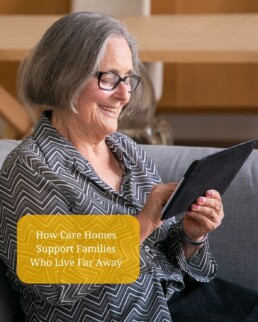
How Care Homes Support Families Who Live Far Away
Staying Connected Across the Miles: How UK Care Homes Support Families Who Live Far Away
Families often worry that physical distance from a loved one in a care home might lead to emotional distance, especially when frequent visits aren’t possible. However, contemporary UK care practices ensure that care home communication is a core part of person-centred care, helping families remain closely involved in their loved one’s daily life.
Key Takeaways:
- Care home communication is essential for emotional closeness.
- Digital tools and regular updates keep families informed.
- Structured communication supports family involvement in care decisions.
- Family involvement enhances resident wellbeing.
- Challenges like digital exclusion can be mitigated.
How Care Homes Facilitate Communication
In recent years, care homes have adopted various methods to keep families connected, such as structured telephone updates, regular video calls, secure digital family portals, and routine sharing of photographs and newsletters. These practices are supported by regulatory expectations around visiting and engagement, ensuring families can stay emotionally close and meaningfully involved.
For instance, the Care Quality Commission’s visiting regulation 9A places a clear duty on providers to support visiting in a way that respects residents’ rights. This regulation ensures that care homes facilitate visits and communication, even when families live far away.
The Role of Digital Tools
The rapid spread of digital social care records and family portals in the UK means that key information about care, activities, and wellbeing can often be securely shared with authorised relatives in real-time. This transparency helps replace uncertainty with clarity, allowing families to feel informed and involved.
According to government figures, many care providers now use digital social care records, significantly improving communication between care homes and families, making it easier for relatives to stay updated on their loved one’s care.
Emotional Importance of Staying Connected
Research consistently shows that family involvement, contact, and communication are associated with better resident wellbeing and more personalised care. Families provide irreplaceable biographical insight into the resident’s preferences, history, and subtle indicators of distress or change. When relatives live far away, their contribution shifts into patterns of remote observation and advocacy, mediated through phone calls, video calls, emails, and digital platforms.
As noted in long-term care research, the quality of these interactions and the responsiveness of care home staff become central to whether distance feels manageable or distressing. This highlights the importance of training staff to be empathetic communicators who can bridge the gap between families and residents.
Overcoming Challenges
While distance naturally brings complexities, a well-run, person-centred care home with strong communication systems can enable families to feel informed, included, and emotionally connected. Challenges such as digital exclusion, cognitive impairment, and varying staff cultures can be mitigated through robust communication practices and emerging tools.
Families should never feel “out of sight, out of mind” when a loved one moves into care. Good care includes supporting the whole family, not just the resident. Distance may change how families stay connected, but it should never weaken the sense of love, reassurance, and involvement.
Care homes can further support families by organising virtual family meetings and workshops, which provide a platform for relatives to discuss care plans and share their concerns. These initiatives foster a community spirit, encouraging families to connect with each other and share experiences.
FAQs
How do care homes keep families updated?
Care homes use structured telephone updates, video calls, digital family portals, and newsletters to keep families informed.
What digital tools are used in care homes?
Many care homes use digital social care records and family portals to share real-time updates with authorised relatives.
Can families visit care homes?
Yes, care homes are required to support visiting in a way that respects residents’ rights, as per the Care Quality Commission’s regulation 9A.
How does communication impact resident wellbeing?
Regular communication with families is linked to better resident wellbeing and more personalised care.
What challenges exist in care home communication?
Challenges include digital exclusion and cognitive impairment, but these can be mitigated through robust communication practices.