
Supporting Dignity in Later Life: What It Means in Everyday Care
Dignity is one of those words that is often used when talking about care, yet it can mean very different things in practice. At Shipston Lodge, dignity is not an abstract principle or a policy document. It is something lived and demonstrated every day through small, thoughtful actions that shape how residents feel about themselves.
Related News
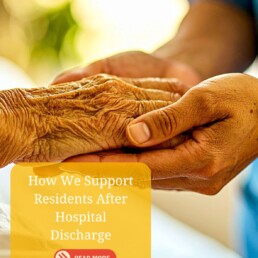
How We Support Residents After Hospital Discharge
How We Support Residents After Hospital Discharge Leaving the hospital can be a relief, but it can…
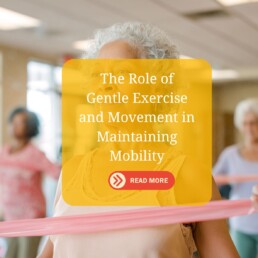
The Role of Gentle Exercise and Movement in Maintaining Mobility
The Role of Gentle Exercise and Movement in Maintaining Mobility Maintaining mobility is about far…

Check out our December Social Media posts
https://shipstonlodge.co.uk/wp-content/uploads/2025/12/Yoga2.mp4……
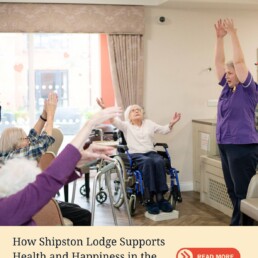
Winter Wellbeing: How Shipston Lodge Supports Health and Happiness in the Colder Months
Winter Wellbeing: How Shipston Lodge Supports Health and Happiness in the Colder Months Winter…
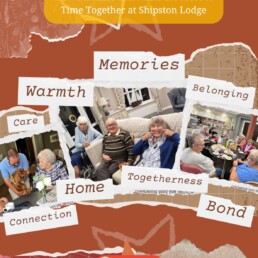
Winter Visits: How Families Can Make the Most of Time Together at Shipston Lodge
Winter Visits: How Families Can Make the Most of Time Together at Shipston Lodge Winter is a…

Warm Hearts, Warm Spaces: How We Create Comfort During Winter at Shipston Lodge
Warm Hearts, Warm Spaces: How We Create Comfort During Winter at Shipston Lodge Winter is a season…
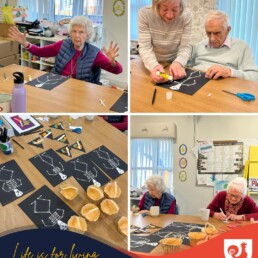
Check out our November Social Media posts
https://shipstonlodge.co.uk/wp-content/uploads/2025/11/Yoga-1-2-1.mp4……

Check out our October Social Media posts
Today, the Taylor & Taylor Care family — including…
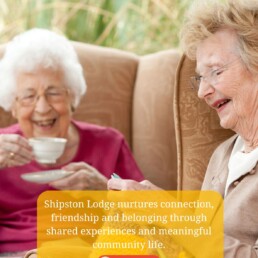
A Sense of Belonging: Building Community and Connection at Shipston Lodge
A Sense of Belonging: Building Community and Connection at Shipston Lodge Feeling part of a…

Mindful Living in Later Life: Supporting Emotional Balance and Inner Calm
Mindful Living in Later Life: Supporting Emotional Balance and Inner Calm As we age, life often…
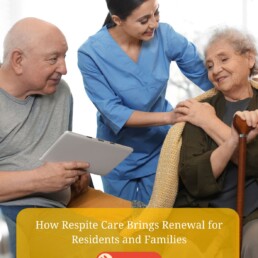
The Art of Rest: How Respite Care Brings Renewal for Residents and Families
The Art of Rest: How Respite Care Brings Renewal for Residents and Families Caring for a loved one…
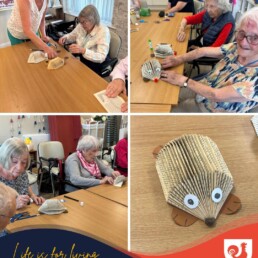
Check out our September Social Media posts
https://shipstonlodge.co.uk/wp-content/uploads/2025/10/Yoga2.mp4……