
Understanding Frailty in Older Age: How the Right Support Makes a Difference
Frailty in older adults is often misunderstood as an unavoidable part of ageing. However, it is increasingly recognised as a distinct health condition that can be managed and supported effectively. This understanding is crucial for families, clinicians, and care homes aiming to provide the best possible support for older adults.
Key Takeaways
- Frailty is a distinct health condition, not just ageing.
- Personalised care can maintain independence and wellbeing.
- Early identification and holistic support are crucial.
- Education on frailty can reduce stigma and fear.
- Assistive technologies empower older adults.
What is Frailty?
Frailty describes a state where the body’s reserves are reduced, making older adults more vulnerable to stressors such as infections or falls. It is not a single disease but a spectrum ranging from mild to severe, interacting with conditions like dementia. In the UK, about 10% of people over 65 live with frailty, rising to 25-50% among those over 85 (source).
Frailty can manifest in various ways, including unintentional weight loss, weakness, exhaustion, and slowed walking speed. These symptoms can make daily activities challenging, but they also provide important indicators for early intervention. Recognising these signs early allows for tailored strategies that can mitigate the impact of frailty and improve quality of life.
Misconceptions About Frailty
Frailty is often mistakenly equated with weakness or dependency. This misconception can lead to stigma and fear among older adults. However, modern approaches view frailty as a condition to be actively managed through comprehensive assessments and personalised care plans (source).
Overcoming these misconceptions involves educating both healthcare providers and families about the nature of frailty. By understanding that frailty can be managed, individuals and caregivers can focus on proactive care strategies rather than assuming a decline is inevitable.
The Importance of Personalised Support
Personalised care is crucial in managing frailty. By focusing on individual needs and preferences, care homes can help residents maintain confidence and independence. Targeted interventions, such as strength and balance programmes, nutrition support, and falls prevention, can significantly enhance function and reduce adverse events (source).
Moreover, personalised support involves regularly updating care plans to reflect changes in the individual’s health status. This dynamic approach ensures that interventions remain relevant and effective, addressing both current needs and anticipating future challenges.
Frailty and Independence
Contrary to common belief, frailty does not mark the end of independence. With the right support, many older adults can continue to lead fulfilling lives. Personalised care that encourages maintaining abilities rather than focusing on limitations can make a significant difference.
For instance, assistive technologies like mobility aids and home modifications can empower individuals to perform daily tasks more easily, thereby enhancing their autonomy. Additionally, engaging in community activities and social interactions can further boost mental and emotional wellbeing, counteracting the isolation that frailty might otherwise impose.
Conclusion
Understanding frailty as a manageable condition rather than an inevitable outcome of ageing can transform how we support older adults. By providing personalised, relationship-centred care, we can help maintain dignity, wellbeing, and autonomy for as long as possible.
Ultimately, addressing frailty with a compassionate and informed approach not only improves the lives of older adults but also alleviates the emotional and physical burdens on caregivers and healthcare systems. As our population ages, embracing these strategies will become increasingly essential.
FAQs
- What is frailty in older adults?
Frailty is a condition where the body’s reserves are reduced, making older adults more vulnerable to stressors. - How common is frailty among older adults?
In the UK, about 10% of people over 65 live with frailty, rising to 25-50% among those over 85 (source). - Can frailty be managed?
Yes, frailty can be managed with personalised care plans and interventions such as strength and balance programmes. - Does frailty mean the end of independence?
No, with the right support, many older adults can maintain independence and lead fulfilling lives. - What role do care homes play in supporting frailty?
Care homes provide personalised, relationship-centred care that helps maintain residents’ confidence, comfort, and independence.
Related News

Dental Care That Comes to You: Shipston Lodge Partners with The Mobile Dentist
Dental Care That Comes to You: Shipston Lodge Partners with The Mobile Dentist We have some…
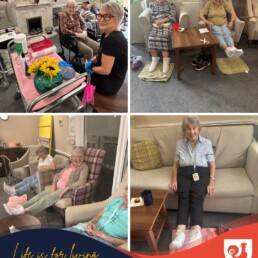
Check out our September 2026 Social Media posts
Another brilliant session with the wonderful Wendy today! Our residents love their…
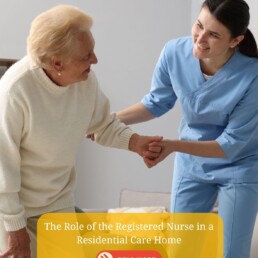
The Role of the Registered Nurse in a Residential Care Home
The Role of the Registered Nurse in a Residential Care Home When families compare care homes,…

Siblings Who Disagree: How to Make a Family Decision About Care
Siblings Who Disagree: How to Make a Family Decision About Care It’s more common than…
What Happens When a Resident’s Needs Change
What Happens When a Resident’s Needs Change One of the questions families most want to ask…
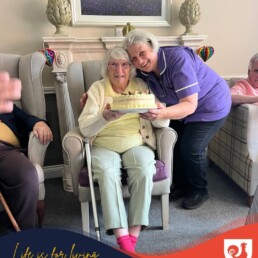
Check out our August 2026 Social Media posts
Happy Birthday Vivien! We celebrated the wonderful Vivien’s birthday…

Taylor & Taylor Care | Leaders in Care Awards 2026 Finalist
Taylor & Taylor Care Named Finalist at the Leaders in Care Awards 2026 We have some brilliant…

Check out our July 2026 Social Media posts
https://shipstonlodge.co.uk/wp-content/uploads/2026/08/Yvette.mp4 Fab Fun,…

The Role of Spiritual Wellbeing in Care Home Life
Understanding Spiritual Wellbeing in Care Homes Spiritual wellbeing in care homes is increasingly…
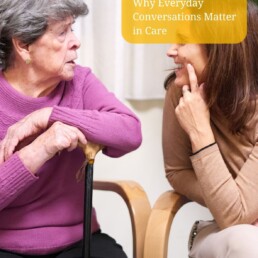
Why Everyday Conversations Matter in Care
The Heart of Care: Everyday Conversations In the context of care homes, it’s easy to focus…
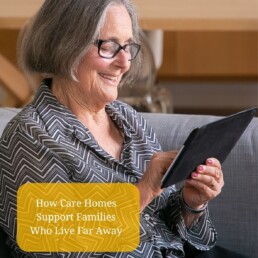
How Care Homes Support Families Who Live Far Away
Staying Connected Across the Miles: How UK Care Homes Support Families Who Live Far Away Families…

How to Talk to Parents About Care Homes: A Practical Guide
Understanding the Challenge Discussing care homes with a parent who resists the topic can be one…