
How We Support Residents Who Prefer a Quieter Lifestyle
Care homes are often associated with busy activity schedules and social gatherings, which can be a wonderful part of daily life for many residents. However, not everyone thrives in a lively environment. Some individuals naturally prefer a quieter, more reflective pace, and it is important that care recognises and supports these preferences with equal sensitivity.
At Shipston Lodge, we understand that wellbeing looks different for everyone. For some residents, comfort is found in peaceful surroundings, familiar routines and one-to-one interaction rather than group activities. Supporting a quieter lifestyle means creating an environment where residents feel at ease, without expectation or pressure to participate in ways that do not suit them.
The first step is understanding individual personality and preference. Some residents may have always enjoyed solitude or smaller social settings, while others may seek quiet time following a period of change or adjustment. Listening carefully and observing gently allows care teams to respond in a way that feels natural and respectful.
Calm, welcoming spaces are an important part of this approach. Quiet lounges, private rooms and peaceful corners of the home provide opportunities for residents to relax, read or simply enjoy their surroundings. These spaces offer a sense of retreat while still remaining connected to the wider community.
One-to-one interaction often plays a key role in supporting quieter residents. Meaningful conversations, shared activities or simply sitting together can provide companionship without overwhelming social demands. These moments help build trust and ensure residents feel valued and understood.
Routine also supports a quieter lifestyle. Predictable rhythms throughout the day provide reassurance and allow residents to engage with the environment in a way that feels comfortable. Whether it is enjoying a regular cup of tea, listening to music or spending time in reflection, these routines create a sense of calm and familiarity.
Importantly, residents are never excluded from the wider life of the home. Instead, they are gently invited to take part in activities in a way that feels manageable and enjoyable. This may mean smaller group settings, shorter sessions or simply observing rather than participating. The emphasis is always on choice rather than expectation.
Care teams remain attentive to emotional wellbeing, ensuring that quiet time is supportive rather than isolating. Regular, gentle check-ins provide reassurance while respecting personal space. This balance helps residents feel both independent and cared for.
Families often express concern that a loved one who prefers quiet may feel overlooked or isolated in a care setting. In reality, a personalised approach ensures that every resident’s needs are recognised and supported. Quiet lifestyles are not only respected but embraced as an important part of individual wellbeing.
At Shipston Lodge, care is never one-size-fits-all. By understanding and supporting quieter preferences, we create an environment where every resident can feel comfortable, respected and at home in their own way.
Related News

Dental Care That Comes to You: Shipston Lodge Partners with The Mobile Dentist
Dental Care That Comes to You: Shipston Lodge Partners with The Mobile Dentist We have some…
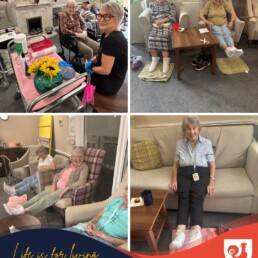
Check out our September 2026 Social Media posts
Another brilliant session with the wonderful Wendy today! Our residents love their…
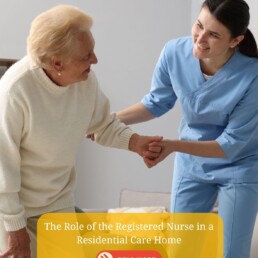
The Role of the Registered Nurse in a Residential Care Home
The Role of the Registered Nurse in a Residential Care Home When families compare care homes,…

Siblings Who Disagree: How to Make a Family Decision About Care
Siblings Who Disagree: How to Make a Family Decision About Care It’s more common than…

What Happens When a Resident’s Needs Change
What Happens When a Resident’s Needs Change One of the questions families most want to ask…
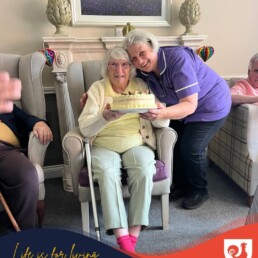
Check out our August 2026 Social Media posts
Happy Birthday Vivien! We celebrated the wonderful Vivien’s birthday…

Taylor & Taylor Care | Leaders in Care Awards 2026 Finalist
Taylor & Taylor Care Named Finalist at the Leaders in Care Awards 2026 We have some brilliant…
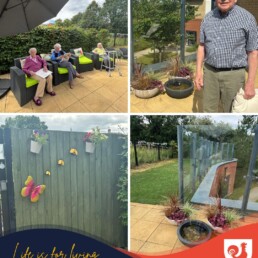
Check out our July 2026 Social Media posts
https://shipstonlodge.co.uk/wp-content/uploads/2026/08/Yvette.mp4 Fab Fun,…

The Role of Spiritual Wellbeing in Care Home Life
Understanding Spiritual Wellbeing in Care Homes Spiritual wellbeing in care homes is increasingly…
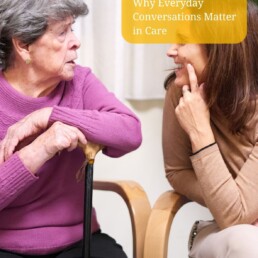
Why Everyday Conversations Matter in Care
The Heart of Care: Everyday Conversations In the context of care homes, it’s easy to focus…

How Care Homes Support Families Who Live Far Away
Staying Connected Across the Miles: How UK Care Homes Support Families Who Live Far Away Families…

How to Talk to Parents About Care Homes: A Practical Guide
Understanding the Challenge Discussing care homes with a parent who resists the topic can be one…