
The Role of Music and Art in Dementia Care
Dementia is a progressive condition that affects memory, cognitive function, and daily life. While medical treatments can help manage symptoms, creative therapies such as music and art have been proven to enhance emotional well-being and stimulate cognitive abilities in those living with dementia.
At Shipston Lodge, we incorporate these therapies into our care approach, providing meaningful engagement for residents.
The Power of Music in Dementia Care
Music has an extraordinary ability to evoke emotions and trigger memories, even for those with advanced dementia.
Studies have shown that familiar songs can help residents recall past experiences and reconnect with their identity.
Some of the ways we use music therapy at Shipston Lodge include:
- Personalised Playlists: We curate playlists with residents’ favourite songs, often linked to significant moments in their lives, bringing comfort and a sense of familiarity.
- Live Performances: Regular visits from musicians and choirs create a joyful atmosphere, encouraging residents to sing along and enjoy the rhythm.
- Interactive Sessions: Group music activities, such as drumming circles and sing-alongs, help promote socialisation, movement, and mental engagement.
- Music and Movement: Simple exercises set to music encourage physical activity, improving coordination and reducing agitation.
By integrating music into daily routines, we help reduce anxiety, enhance mood, and provide a calming environment for our residents.
The Impact of Art Therapy on Dementia
Art therapy offers a unique way for individuals with dementia to express themselves, particularly as verbal communication becomes more challenging. Engaging in creative activities can provide a sense of accomplishment and boost self-esteem.
At Shipston Lodge, we encourage residents to take part in:
- Painting and Drawing: These activities allow residents to explore their creativity, regardless of skill level. The process is more important than the outcome, fostering engagement and relaxation.
- Crafting Sessions: Making collages, clay modelling, and card decorating stimulate fine motor skills and allow residents to create something meaningful.
- Sensory Art: Using different textures and materials, such as fabric, sand, and watercolours, helps engage residents’ senses and provide therapeutic benefits.
- Storytelling Through Art: Creating visual art can help residents communicate emotions and memories, offering an alternative form of self-expression.
These creative experiences enhance cognitive function, improve mood, provide relaxation, and encourage social interaction.
Enriching Lives Through Creativity
At Shipston Lodge, every resident should have the opportunity to experience joy, connection, and fulfilment. Music and art therapies are key components of our holistic approach to dementia care, allowing residents to engage in meaningful activities that bring comfort and stimulation.
By embracing these creative therapies, we continue to foster a supportive, engaging, and joyful environment for our residents, ensuring they feel valued and connected daily.
Related News
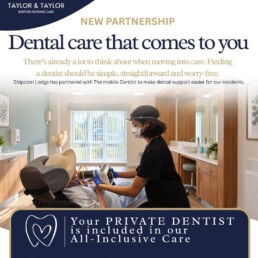
Dental Care That Comes to You: Shipston Lodge Partners with The Mobile Dentist
Dental Care That Comes to You: Shipston Lodge Partners with The Mobile Dentist We have some…
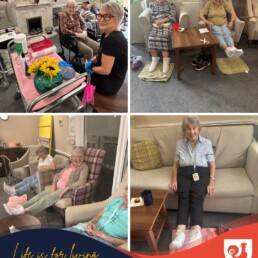
Check out our September 2026 Social Media posts
Another brilliant session with the wonderful Wendy today! Our residents love their…
The Role of the Registered Nurse in a Residential Care Home
The Role of the Registered Nurse in a Residential Care Home When families compare care homes,…

Siblings Who Disagree: How to Make a Family Decision About Care
Siblings Who Disagree: How to Make a Family Decision About Care It’s more common than…
What Happens When a Resident’s Needs Change
What Happens When a Resident’s Needs Change One of the questions families most want to ask…
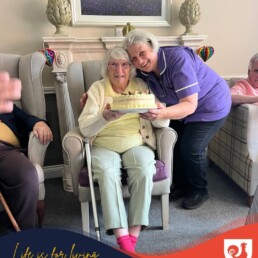
Check out our August 2026 Social Media posts
Happy Birthday Vivien! We celebrated the wonderful Vivien’s birthday…
Taylor & Taylor Care | Leaders in Care Awards 2026 Finalist
Taylor & Taylor Care Named Finalist at the Leaders in Care Awards 2026 We have some brilliant…
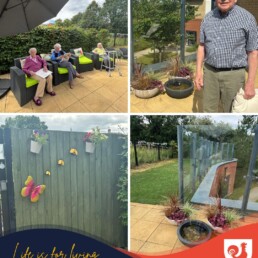
Check out our July 2026 Social Media posts
https://shipstonlodge.co.uk/wp-content/uploads/2026/08/Yvette.mp4 Fab Fun,…
The Role of Spiritual Wellbeing in Care Home Life
Understanding Spiritual Wellbeing in Care Homes Spiritual wellbeing in care homes is increasingly…
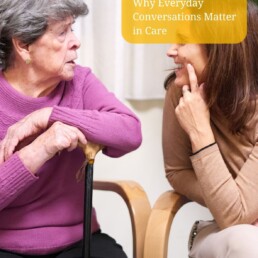
Why Everyday Conversations Matter in Care
The Heart of Care: Everyday Conversations In the context of care homes, it’s easy to focus…
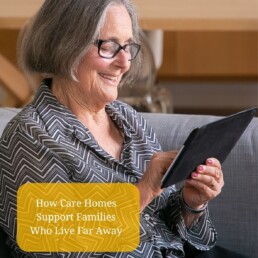
How Care Homes Support Families Who Live Far Away
Staying Connected Across the Miles: How UK Care Homes Support Families Who Live Far Away Families…
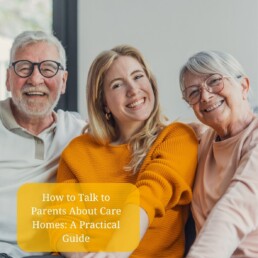
How to Talk to Parents About Care Homes: A Practical Guide
Understanding the Challenge Discussing care homes with a parent who resists the topic can be one…