
What Happens When a Resident’s Needs Change
One of the questions families most want to ask — but often don’t — is this: what happens if things get harder?
It’s completely understandable. When you’re in the middle of researching care homes, trying to make the right decision for someone you love, the last thing you want to think about is what comes next after that. But it’s one of the most important questions you can ask, and it deserves a straight answer.
The fear behind the question
Many families carry a quiet worry that a care home is only a temporary solution. That one day, a nurse will sit them down and explain that their mother’s needs have become too complex, that the home can no longer support her, and that they’ll need to start the whole process again — finding somewhere new, breaking the news, helping someone they love settle into yet another unfamiliar place.
That fear is legitimate. It happens in some settings. But it doesn’t have to.
How care needs typically change
For many residents, needs do increase gradually over time. Someone who moves into residential care primarily for companionship and daily support may, months or years later, need more clinical input — help managing a complex medication regimen, support following a fall, or closer monitoring of a long-term health condition.
In a home without qualified nursing staff, this can create a genuine problem. The home reaches the limit of what it can safely provide, and the resident has to move.
At Shipston Lodge, we have registered nurses on site every day. That changes the picture significantly. This means we can monitor health proactively, respond to changes quickly, and support a much wider range of clinical needs than a standard residential setting—without the resident having to go anywhere.
What a care plan review actually looks like
Care plans at Shipston Lodge are living documents. They’re not written on admission and filed away. We review them regularly and update them whenever something changes — whether that’s a new diagnosis, a mobility shift, a change in how someone eats or sleeps, or feedback from the resident about what they want.
When our nursing team notices a change, we don’t wait for a formal review date. We act. We speak to the family. We bring in the right people — a GP, a physiotherapist, a specialist — and we adjust the care accordingly.
Families are always part of that conversation. Nothing changes without you knowing about it and being involved in the decision.
What we can support on-site
Because Shipston Lodge provides both residential and nursing care, we can support a wide range of needs. This includes residents managing long-term conditions such as Parkinson’s, COPD, diabetes, and heart failure, as well as those living with dementia who need a higher level of daily support as time goes on.
Our all-inclusive model matters here too. No additional charges apply when care needs increase. The weekly fee covers whatever level of support a resident needs. Families never face a conversation where more care means more cost.
When a move might still be necessary
It would be dishonest to say that every resident stays with us forever regardless of circumstance. There are situations — highly specialist dementia care, for example, or a level of acute medical need that requires a hospital setting — where a different environment is genuinely in the resident’s best interest.
But these situations are far less common than families fear. In most cases, when needs change at Shipston Lodge, we adapt with them — not by asking a family to start again.
The honest answer
If you’re visiting care homes and this question is sitting at the back of your mind, ask it. Ask every home you visit. Listen carefully to how they answer it.
Our answer is this: we adapt with you. We have the nursing expertise, the care planning processes, and the genuine commitment to make sure that when things get harder, we get stronger—so the person you love doesn’t have to face the upheaval of moving again.
That’s what it means to be someone’s home, not just their care provider.
If you’d like to talk through your family’s situation and ask us any questions about how we support changing needs, please call us on 01608 698836 or get in touch via our contact page.
Related News
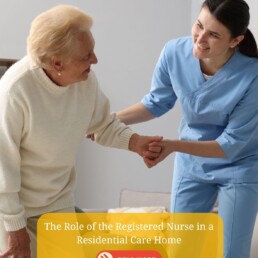
The Role of the Registered Nurse in a Residential Care Home
The Role of the Registered Nurse in a Residential Care Home When families compare care homes,…

Siblings Who Disagree: How to Make a Family Decision About Care
Siblings Who Disagree: How to Make a Family Decision About Care It’s more common than…
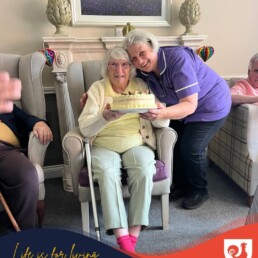
Check out our August 2026 Social Media posts
Happy Birthday Vivien! We celebrated the wonderful Vivien’s birthday…

Taylor & Taylor Care | Leaders in Care Awards 2026 Finalist
Taylor & Taylor Care Named Finalist at the Leaders in Care Awards 2026 We have some brilliant…

Check out our July 2026 Social Media posts
https://shipstonlodge.co.uk/wp-content/uploads/2026/08/Yvette.mp4 Fab Fun,…

The Role of Spiritual Wellbeing in Care Home Life
Understanding Spiritual Wellbeing in Care Homes Spiritual wellbeing in care homes is increasingly…
Why Everyday Conversations Matter in Care
The Heart of Care: Everyday Conversations In the context of care homes, it’s easy to focus…

How Care Homes Support Families Who Live Far Away
Staying Connected Across the Miles: How UK Care Homes Support Families Who Live Far Away Families…

How to Talk to Parents About Care Homes: A Practical Guide
Understanding the Challenge Discussing care homes with a parent who resists the topic can be one…
Why Respite Care Isn’t a Last Resort — It’s a Smart Choice
Why Respite Care Isn’t a Last Resort — It’s a Smart Choice Respite care is often…
Understanding the CQC Good Rating: A Guide for Families
Understanding the CQC Good Rating: A Guide for Families For families exploring care homes, the…

The Value of Meaningful Occupation: Staying Engaged with Purpose in Later Life
The Value of Meaningful Occupation: Staying Engaged with Purpose in Later Life Key Takeaways…