
The Importance of Personal Routines: Keeping Life Familiar in a New Environment
Moving into a care home is a significant life transition. Alongside the practical changes, there is often a quieter concern that everyday familiarity may be lost. At Shipston Lodge, maintaining personal routines is a central part of supporting residents to feel comfortable, settled and truly at home.
Daily routines are deeply personal. They are shaped over a lifetime and often provide structure, reassurance and a sense of identity. Whether it is enjoying a cup of tea at a particular time, reading the morning paper, or following a familiar evening wind-down, these moments offer continuity in the midst of change.
When someone moves into care, preserving these routines can make a meaningful difference to their emotional wellbeing. Familiar patterns help reduce anxiety and provide a sense of control, particularly during the early days of settling in. For residents living with memory challenges, consistent routines can also support orientation and reduce confusion.
At Shipston Lodge, understanding each resident’s routine begins with careful listening. Before and during the move, time is taken to learn about preferences, habits and daily rhythms. Families often provide valuable insight, helping us build a clear picture of what matters most to their loved one.
This understanding allows care to be shaped around the individual rather than expecting the individual to adapt to a fixed schedule. Residents are supported to wake when they choose, enjoy meals at a comfortable pace, and spend their time in ways that feel natural to them. This flexibility helps maintain independence and dignity, even when additional support is required.
Morning routines are often particularly important. Starting the day in a familiar way can set a positive tone, whether that involves quiet time, conversation or a preferred breakfast. Equally, evening routines provide comfort and signal a sense of calm at the end of the day. Respecting these moments helps residents feel secure and at ease.
Care teams play a key role in supporting routines with sensitivity and consistency. Small details, such as how a resident prefers their tea or the order in which they get ready, are noted and respected. These thoughtful touches reinforce familiarity and show genuine understanding of each individual.
While routines are important, they are never rigid. Needs and preferences may change over time, and care adapts accordingly. The aim is to provide stability while remaining responsive, ensuring routines continue to feel supportive rather than restrictive.
Families often find reassurance in knowing that their loved one’s daily life will remain recognisable and personal. Maintaining routines helps preserve identity, comfort and confidence, allowing residents to settle more easily into their new surroundings.
At Shipston Lodge, routines are not simply habits to be followed. They are an important part of who each resident is, and by respecting them, we help create an environment that feels both familiar and reassuring from the very beginning.
Related News

Dental Care That Comes to You: Shipston Lodge Partners with The Mobile Dentist
Dental Care That Comes to You: Shipston Lodge Partners with The Mobile Dentist We have some…
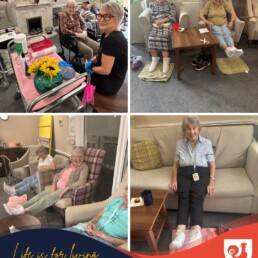
Check out our September 2026 Social Media posts
Another brilliant session with the wonderful Wendy today! Our residents love their…
The Role of the Registered Nurse in a Residential Care Home
The Role of the Registered Nurse in a Residential Care Home When families compare care homes,…

Siblings Who Disagree: How to Make a Family Decision About Care
Siblings Who Disagree: How to Make a Family Decision About Care It’s more common than…

What Happens When a Resident’s Needs Change
What Happens When a Resident’s Needs Change One of the questions families most want to ask…
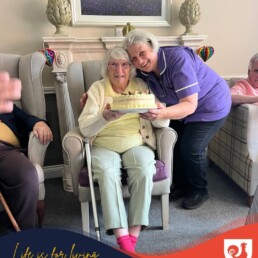
Check out our August 2026 Social Media posts
Happy Birthday Vivien! We celebrated the wonderful Vivien’s birthday…

Taylor & Taylor Care | Leaders in Care Awards 2026 Finalist
Taylor & Taylor Care Named Finalist at the Leaders in Care Awards 2026 We have some brilliant…

Check out our July 2026 Social Media posts
https://shipstonlodge.co.uk/wp-content/uploads/2026/08/Yvette.mp4 Fab Fun,…

The Role of Spiritual Wellbeing in Care Home Life
Understanding Spiritual Wellbeing in Care Homes Spiritual wellbeing in care homes is increasingly…
Why Everyday Conversations Matter in Care
The Heart of Care: Everyday Conversations In the context of care homes, it’s easy to focus…

How Care Homes Support Families Who Live Far Away
Staying Connected Across the Miles: How UK Care Homes Support Families Who Live Far Away Families…

How to Talk to Parents About Care Homes: A Practical Guide
Understanding the Challenge Discussing care homes with a parent who resists the topic can be one…