
The Role of Quiet Time and Reflection in Later Life Wellbeing
Later life brings opportunities for reflection, calm and a different pace of living. While social activities and engagement are important, quiet time also plays a vital role in emotional well-being. At Shipston Lodge, we recognise that moments of stillness can be deeply restorative and meaningful.
Quiet time allows residents to rest both physically and mentally. It offers space to reflect, enjoy familiar comforts, or relax without expectation. For some, this may involve reading, listening to music or spending time in peaceful surroundings. For others, it may be moments of reflection or quiet companionship.
These periods of calm can reduce feelings of overwhelm, particularly for residents who find busy environments tiring. Gentle routines and predictable rhythms help create a sense of balance, allowing residents to enjoy both social connection and peaceful solitude.
Reflection can also support emotional well-being. Looking back on life experiences, memories and achievements helps reinforce identity and self-worth. Quiet moments allow residents to process thoughts and emotions in a supportive, unhurried environment.
Importantly, quiet time is always guided by individual preference. Some residents seek regular moments of stillness, while others enjoy occasional breaks between activities. Respecting these preferences supports dignity and personal choice.
Care teams play a subtle but important role during quiet time. A reassuring presence, gentle check-ins and awareness of emotional needs help ensure residents feel supported without interruption. This balance allows quiet moments to remain comforting rather than isolating.
Families often find comfort in knowing their loved ones are not expected to be constantly active. Recognising the value of calm and reflection reassures families that care supports emotional wellbeing as much as physical health.
At Shipston Lodge, quiet time is not an absence of care. It is a meaningful part of daily life, supporting comfort, balance and emotional wellbeing in later life.
Related News
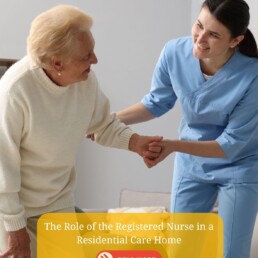
The Role of the Registered Nurse in a Residential Care Home
The Role of the Registered Nurse in a Residential Care Home When families compare care homes,…

Siblings Who Disagree: How to Make a Family Decision About Care
Siblings Who Disagree: How to Make a Family Decision About Care It’s more common than…

What Happens When a Resident’s Needs Change
What Happens When a Resident’s Needs Change One of the questions families most want to ask…
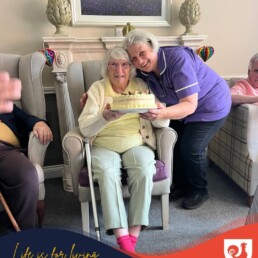
Check out our August 2026 Social Media posts
Happy Birthday Vivien! We celebrated the wonderful Vivien’s birthday…

Taylor & Taylor Care | Leaders in Care Awards 2026 Finalist
Taylor & Taylor Care Named Finalist at the Leaders in Care Awards 2026 We have some brilliant…

Check out our July 2026 Social Media posts
https://shipstonlodge.co.uk/wp-content/uploads/2026/08/Yvette.mp4 Fab Fun,…
The Role of Spiritual Wellbeing in Care Home Life
Understanding Spiritual Wellbeing in Care Homes Spiritual wellbeing in care homes is increasingly…
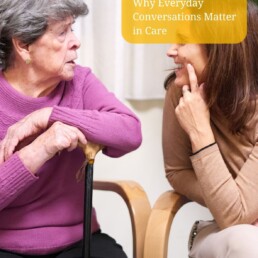
Why Everyday Conversations Matter in Care
The Heart of Care: Everyday Conversations In the context of care homes, it’s easy to focus…

How Care Homes Support Families Who Live Far Away
Staying Connected Across the Miles: How UK Care Homes Support Families Who Live Far Away Families…

How to Talk to Parents About Care Homes: A Practical Guide
Understanding the Challenge Discussing care homes with a parent who resists the topic can be one…

Why Respite Care Isn’t a Last Resort — It’s a Smart Choice
Why Respite Care Isn’t a Last Resort — It’s a Smart Choice Respite care is often…
Understanding the CQC Good Rating: A Guide for Families
Understanding the CQC Good Rating: A Guide for Families For families exploring care homes, the…